


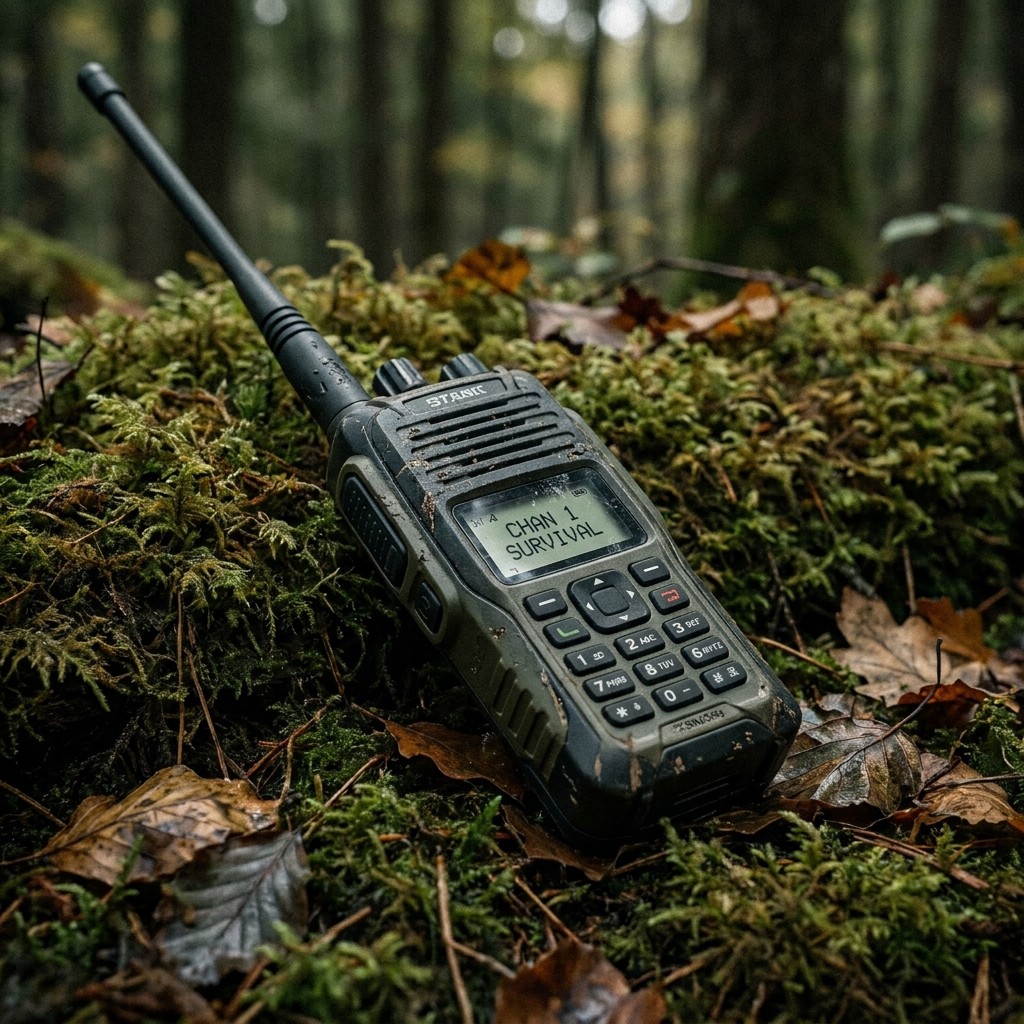
Mobile networks fail much sooner than you think in emergencies: a long blackout, a congested area, or a severe storm can leave you without coverage in minutes. That is why, if more than two of you head out on the trail, it is essential to carry at least one VHF/UHF radio you know how to use and have properly configured.
Forget mobile apps that promise to work without data; they do not cut it in real hillside conditions. Before you set off, agree on a primary channel and a backup in case the first one is congested. Once underway, in open terrain, make a brief contact every half hour to confirm all is well. In dense forest, do not spread out as much or seek high ground if you need to transmit with more reach.
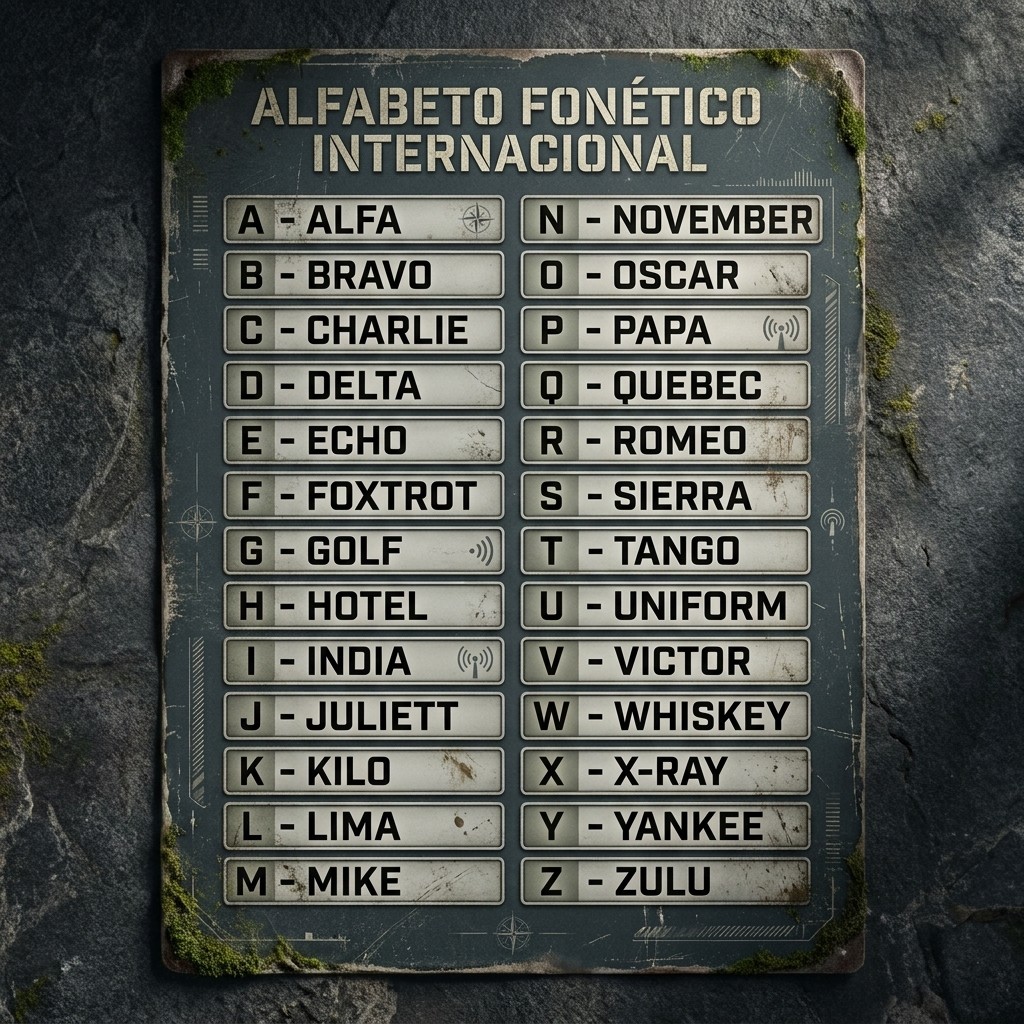
When speaking on the radio, get to the point and use short phrases: where you are, how you are, and what you need. Do not clog the channel with long chats that drain batteries and block the line. Always use the standard phonetic alphabet (Alfa, Bravo, Charlie…) to spell names or coordinates; with wind noise or interference, it is the only way to avoid mistakes. Also, if the group includes people who speak different languages, agree on a few keywords in one language for emergencies.
Important reminder: this protocol is a good-practice manual for Modo Survival community outings and training, but it does not replace official radio licences required by law for certain frequencies.