




This site is still under development.
Modo Survival — horizontal logo with icon and wordmark
Community Published: 30 May 2026

Urban foraging in crisis scenarios

When city supplies run out, local botanical knowledge becomes a critical asset. How to identify edible plants without legal or health risks.

Urban foraging is not a survival game: it is applied botany with strict safety rules. Before harvesting anything, confirm each species against three reliable sources (local guide, community workshop, verified herbarium) and rule out areas with heavy traffic or industrial history.

Prioritize known perennials — dandelion, mallow, young nettle — and avoid mushrooms unless you have in-person expert identification. Wash everything with potable water and cook when parasite risk is unclear.

At Modo Survival we share collaborative maps by neighborhood: where mulberries, figs, or abandoned herbs grow. Each entry includes a photo, date, and note on private property or public space. Never harvest from someone else's garden without explicit permission.

This knowledge complements, never replaces, a well-planned pantry. The goal is to reduce panic and mistakes when urban logistics slow down.
Field Manual // Valencia v.2.4

Technical Foraging Guide

Urban botanical collection protocol for the Valencia sector. Species identification, safety zones, and critical resource coordinates.

Status: active scanning

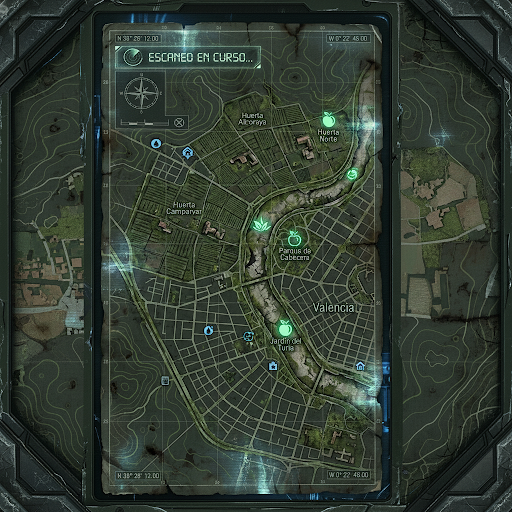
Valencia Sector

Sector: Valencia v.2.4
Coord: 39.4699° N, 0.3763° W
Tactical urban foraging map of Valencia with markers at Jardín del Turia and Huerta de Campanar
Zoom: 125% Signal: stable
Jardín del Turia
Huerta de Campanar
Terminal status: active
Botanical species Space type Recommended location Safety note
Mulberries & Figs
Public space Lower Jardín del Turia / Huerta de Campanar
Avoid closed urban irrigation ditches.
Dandelion & Mallow
Public space Parque de Cabecera / Parque Central
Avoid dog-walking areas. Biological contamination risk.
Young nettle
Public space Huerta Norte
Use gloves and collect young shoots only.
Aromatic plants
Public space Jardines de Viveros / Parque del Oeste
Check for municipal pesticides. High toxicity potential.
Syncing database… 68%

Valencia climate

High humidity (74%). Easterly winds help seed dispersal along the coastal strip.

Community

Active foragers in the Huerta Norte sector. Sharing resources is survival.

Suggested kit

Leather gloves, pruning shears, and Kraft paper bags to avoid mould.

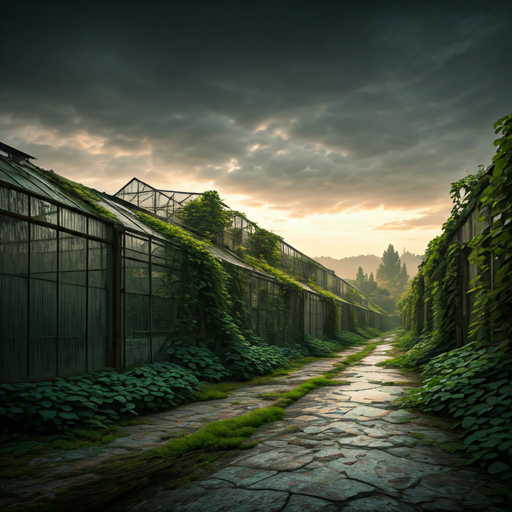
Abandoned greenhouses and peri-urban farmland north of Valencia
Zone spotlight

Huerta Norte

The Huerta areas surrounding Alboraya remain the most fertile zones for sustainable foraging. While the city centre is heavily picked over, these agricultural fringes provide reliable mulberries and wild greens.

Tactical advantage Open terrain